
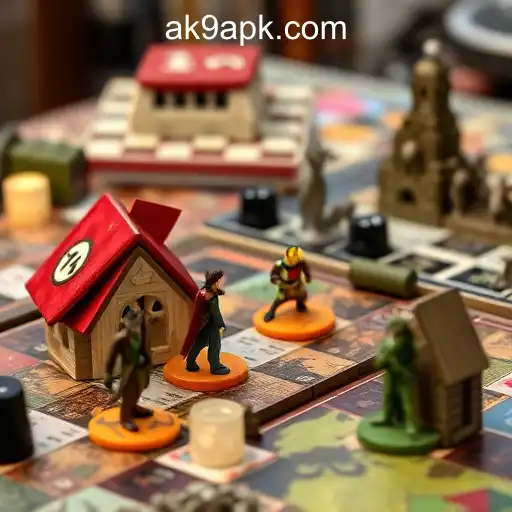

Exploring the World of Tabletop Games: A Journey into Strategy and Fun
The Evolution of Tabletop Games
Tabletop games have been a source of entertainment for centuries. From the earliest board games in ancient Egypt to the complex strategy games of today, the evolution of tabletop gaming is a fascinating journey through history. The term "tabletop games" encompasses a diverse range of games, including board games, card games, and role-playing games.
Understanding Tabletop Game Mechanics
At the core of any tabletop game lies its mechanics, the rules and systems that govern play. Different games employ various mechanics, from dice rolling and card drafting to resource management and area control. These mechanics are designed to create engaging experiences that challenge the minds of players.
The Rise of Modern Tabletop Games
Modern tabletop games, often referred to as "designer games," have seen a significant resurgence in popularity. Games like "Catan" and "Ticket to Ride" have become household names, introducing new generations to the joys of strategic gameplay. This era of modern gaming has brought about a renaissance in game design, with countless innovations in both mechanics and themes.
Role-Playing Games: Unleashing Imagination
Role-playing games (RPGs) are a unique subset of tabletop games that allow players to assume the roles of characters in a fictional world. The most iconic of these is "Dungeons & Dragons" (D&D), a game that offers limitless possibilities for storytelling and creativity. RPGs rely heavily on the imagination, as players navigate epic quests guided by a game master (GM).
The Emotional Engagement of RPGs
The immersive nature of RPGs creates emotional connections between players and their characters. As they embark on adventures and overcome challenges, players often find themselves deeply invested in their characters' fates. This emotional engagement is a hallmark of RPGs, distinguishing them from other tabletop experiences.
The Social Aspect of Tabletop Gaming
One of the most significant benefits of tabletop games is their ability to bring people together. Unlike their digital counterparts, which often can be played in isolation, tabletop games require physical presence and interaction. They foster socialization, teamwork, and healthy competition, making them a perfect pastime for gatherings with friends and family.
AK9.game Oficial Slots Brasil #1
In recent years, there has been an intersection of tabletop gaming and the digital world, exemplified by platforms like AK9.game Oficial Slots Brasil #1. These platforms offer a hybrid gaming experience, combining the traditional elements of tabletop play with digital enhancements. This fusion allows players to enjoy the best of both worlds, bridging the gap between physical and virtual gaming landscapes.
The Future of Tabletop Games
As technology advances, the future of tabletop gaming promises exciting innovations. Augmented reality (AR) and virtual reality (VR) are poised to revolutionize how players engage with their games, offering immersive worlds and interactive experiences beyond the conventional tabletop. Future games might integrate these technologies to create hybrid experiences, where physical game components interact seamlessly with digital elements.
Design and Production of Tabletop Games
The design and production of tabletop games are complex processes that require creativity, precision, and a profound understanding of game mechanics. Designers must consider various elements, including theme, balance, and replayability, to create engaging and sustainable experiences. Successful games often go through multiple iterations and playtesting phases before reaching the gaming market.
The Role of Kickstarter in Gaming
The crowdfunding platform Kickstarter has played a pivotal role in the tabletop gaming industry, allowing independent designers to bring their projects to life. Many successful games have started as Kickstarter campaigns, giving creators the resources and community support needed to produce innovative gaming experiences. This democratization of game production has led to a rich diversity of games, offering something for every player's taste.